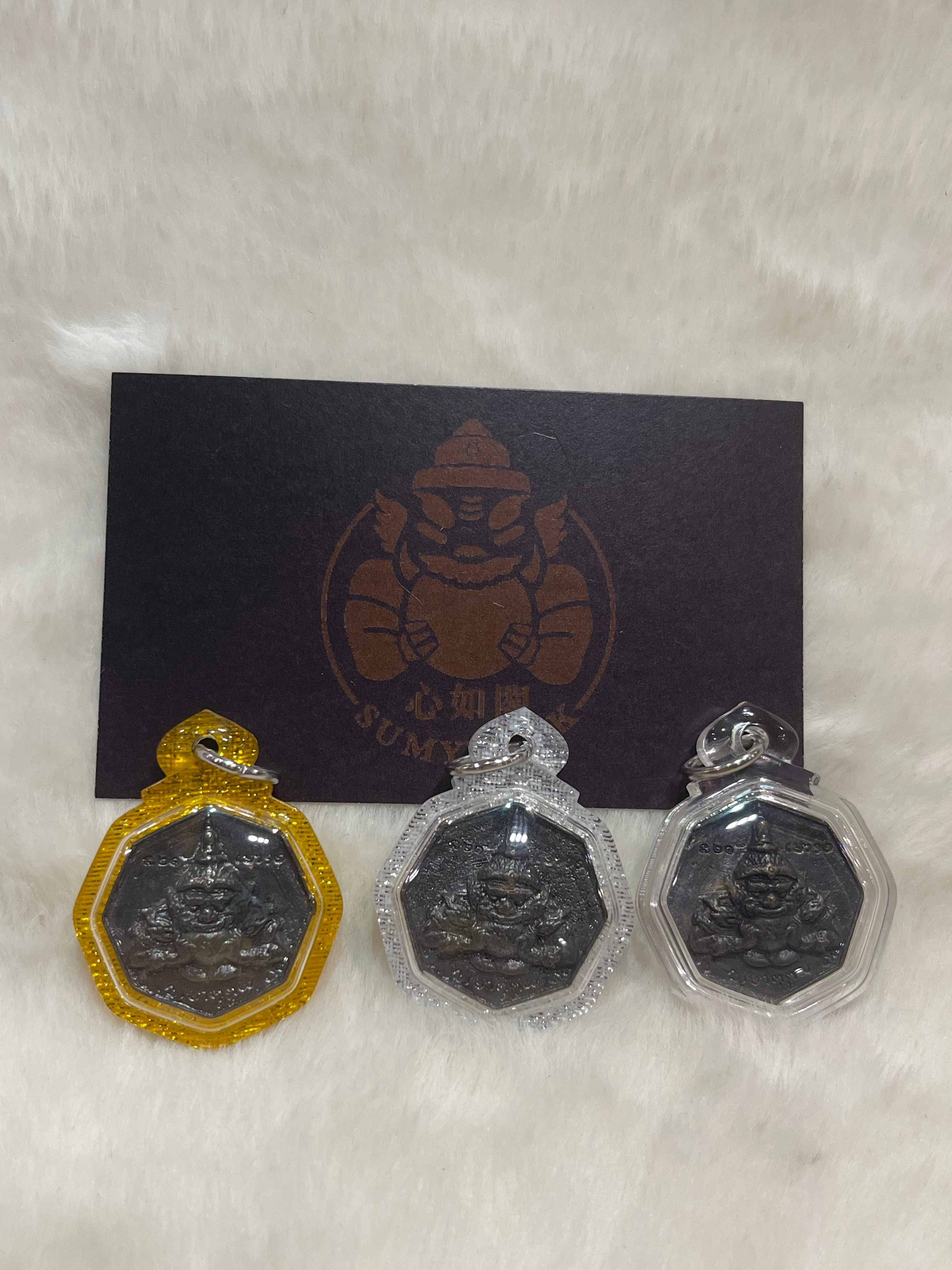
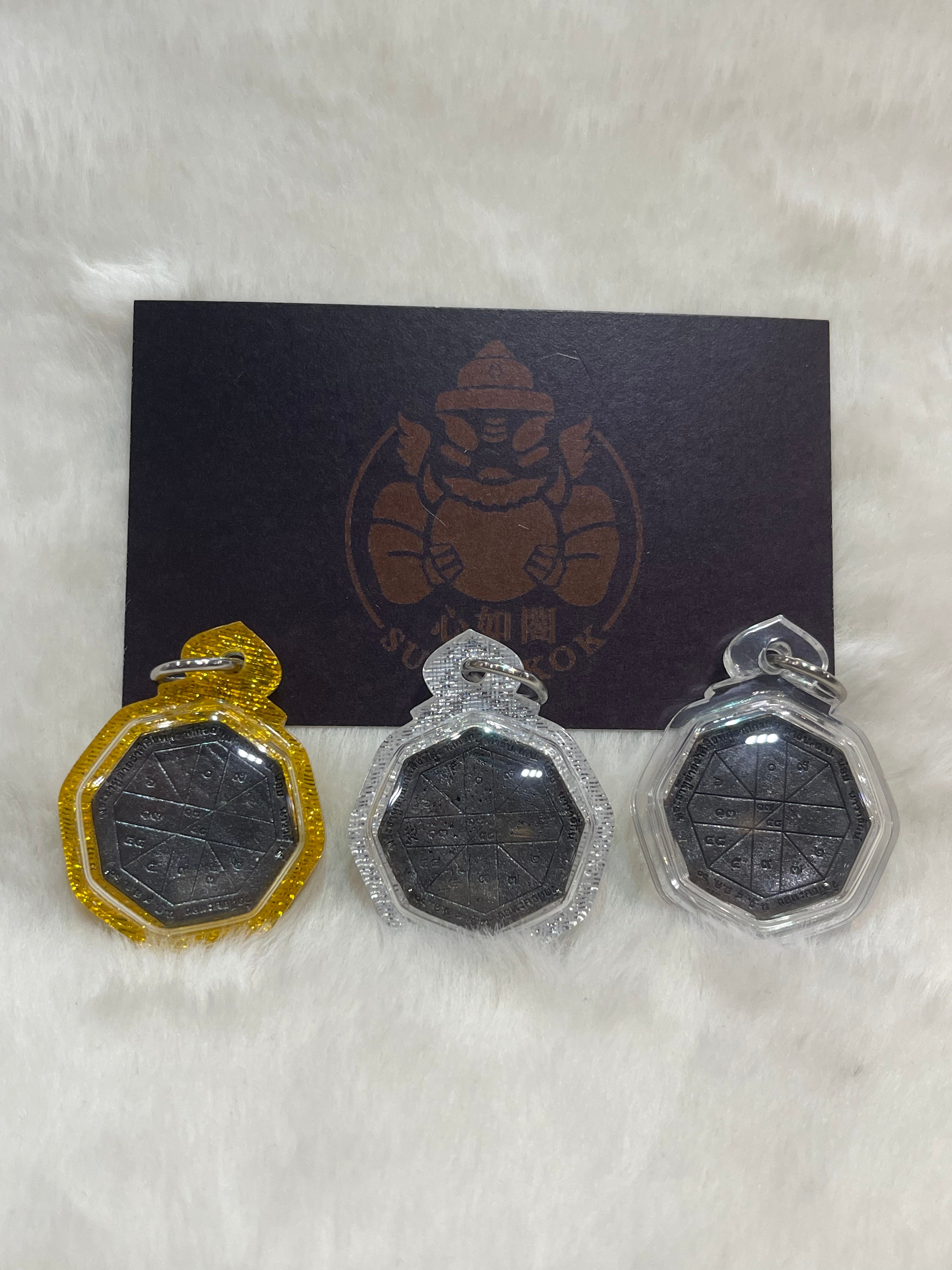
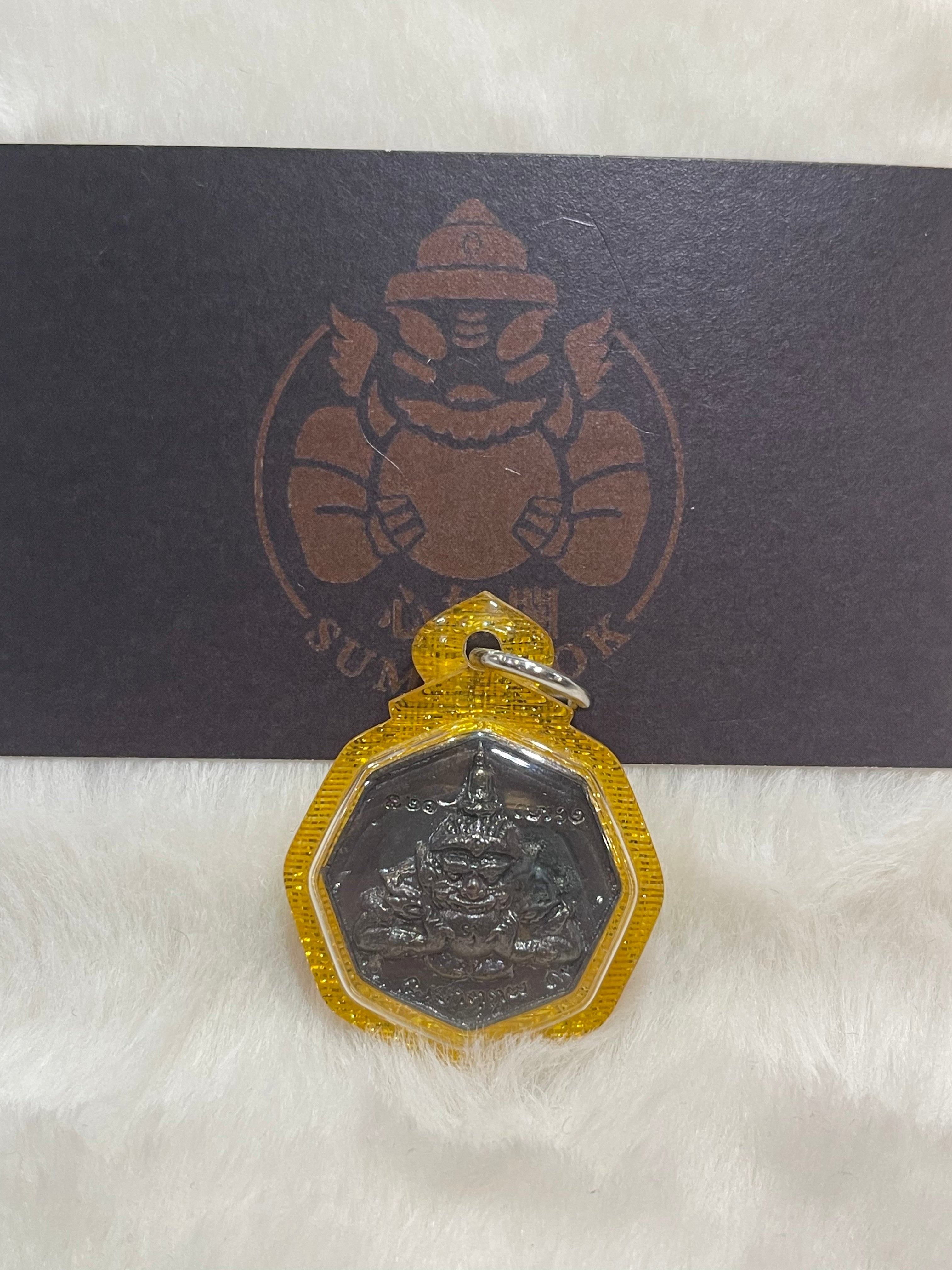
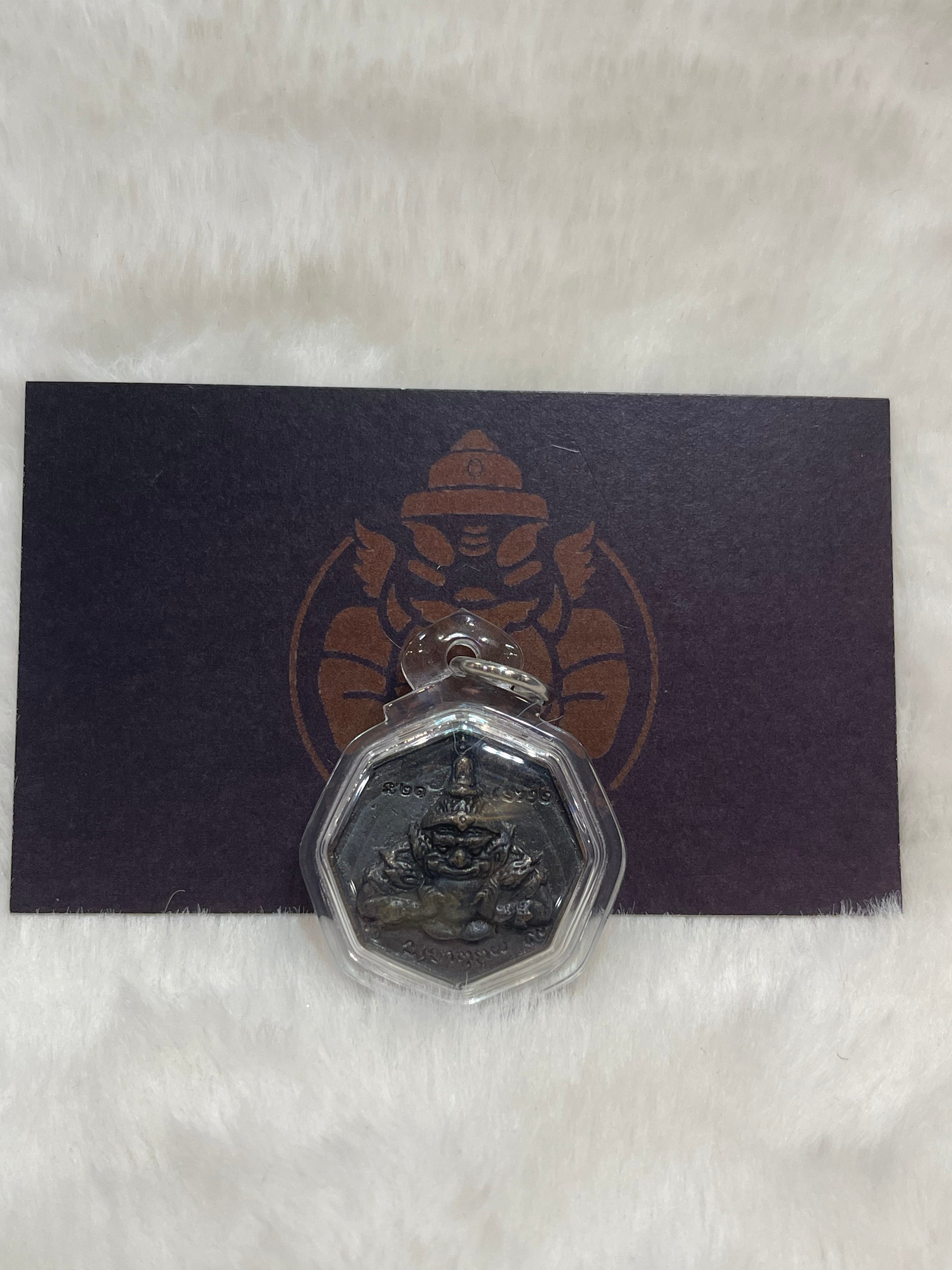
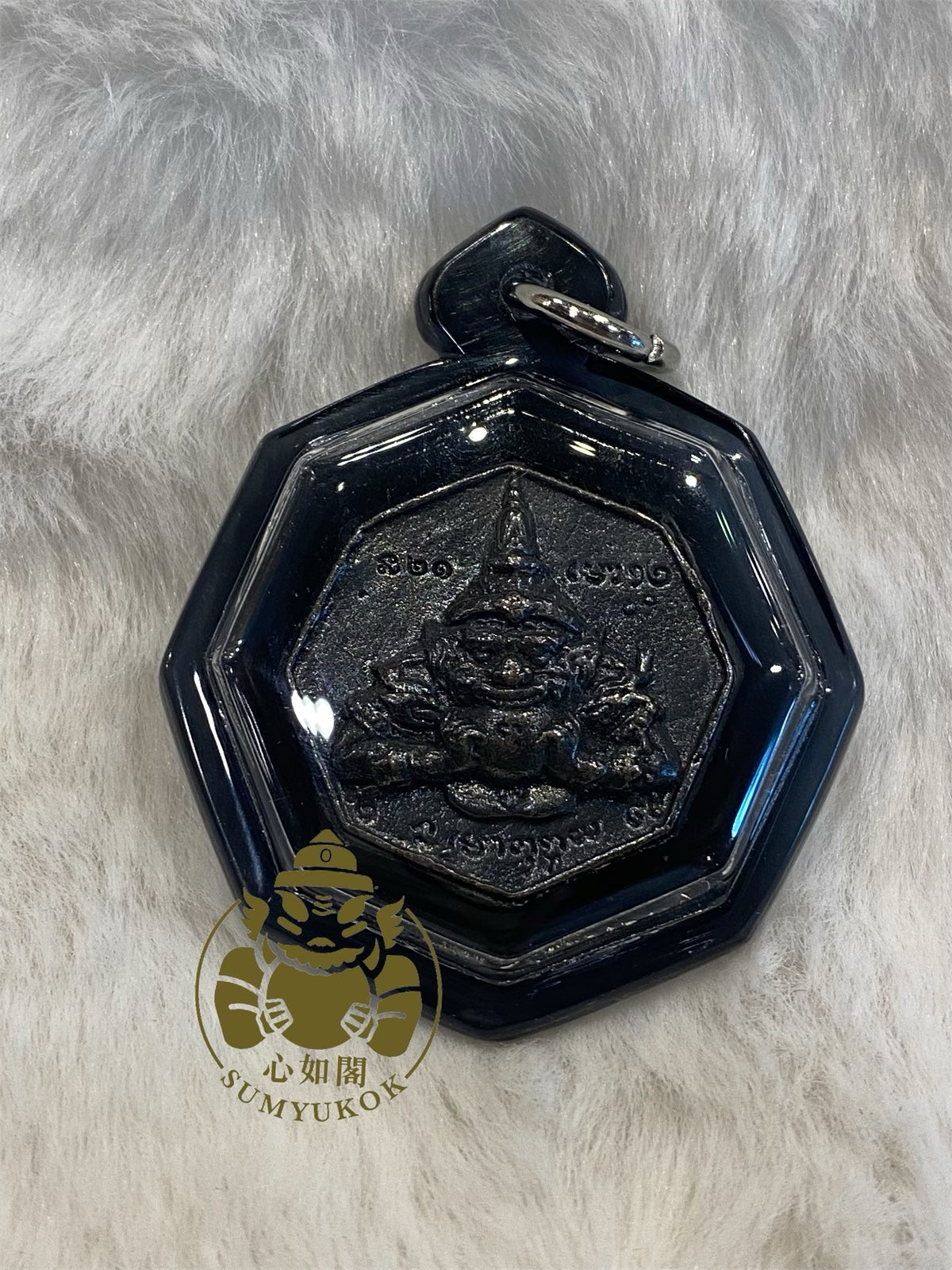
[Temple] Wat Sri Sa Thong (Wat Sri Sa Thong)
[Master] Abbot Pakushiro of Rahu Temple and many high-ranking monks of the temple
[Year] Buddhist Era 2560
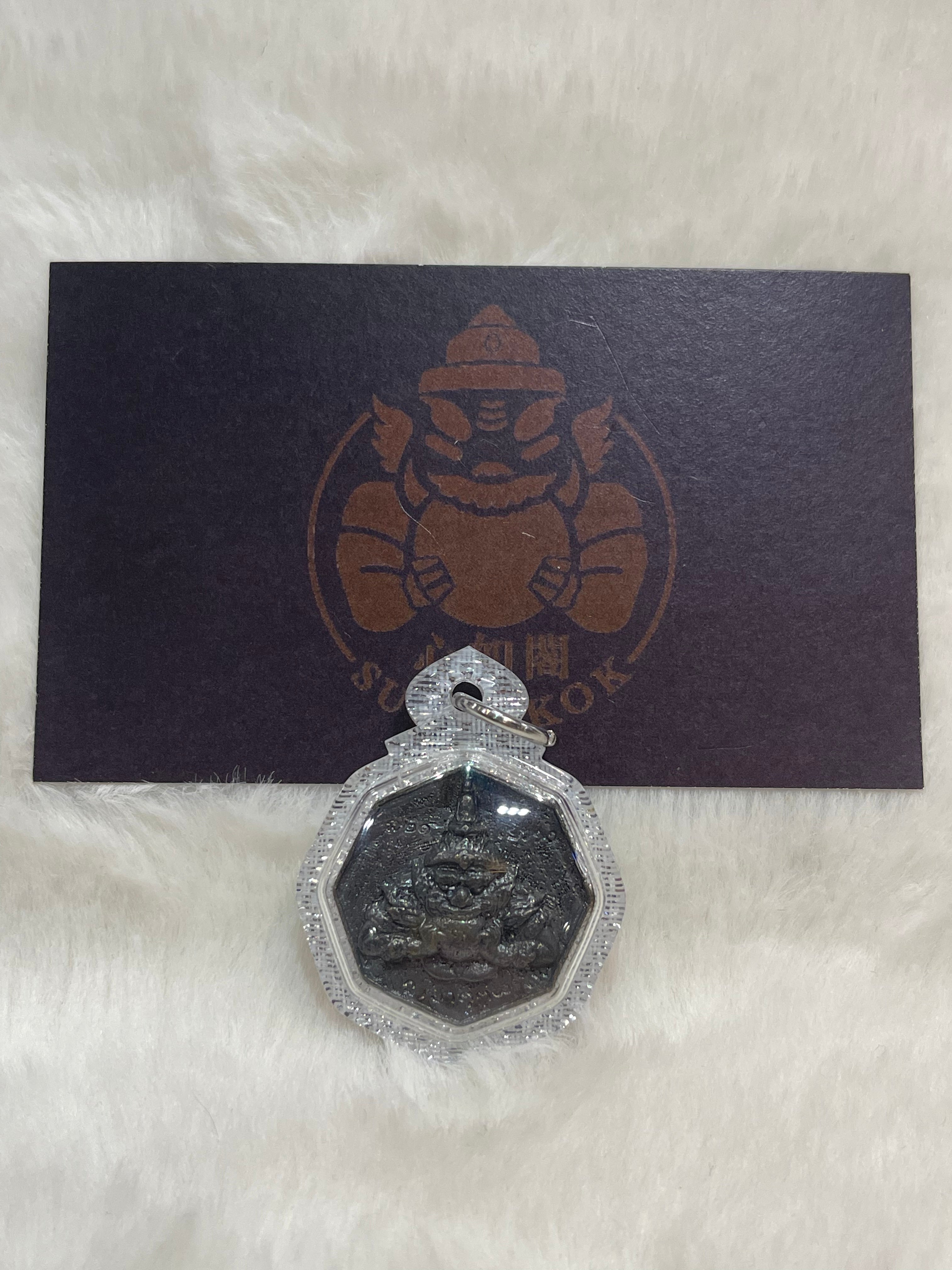
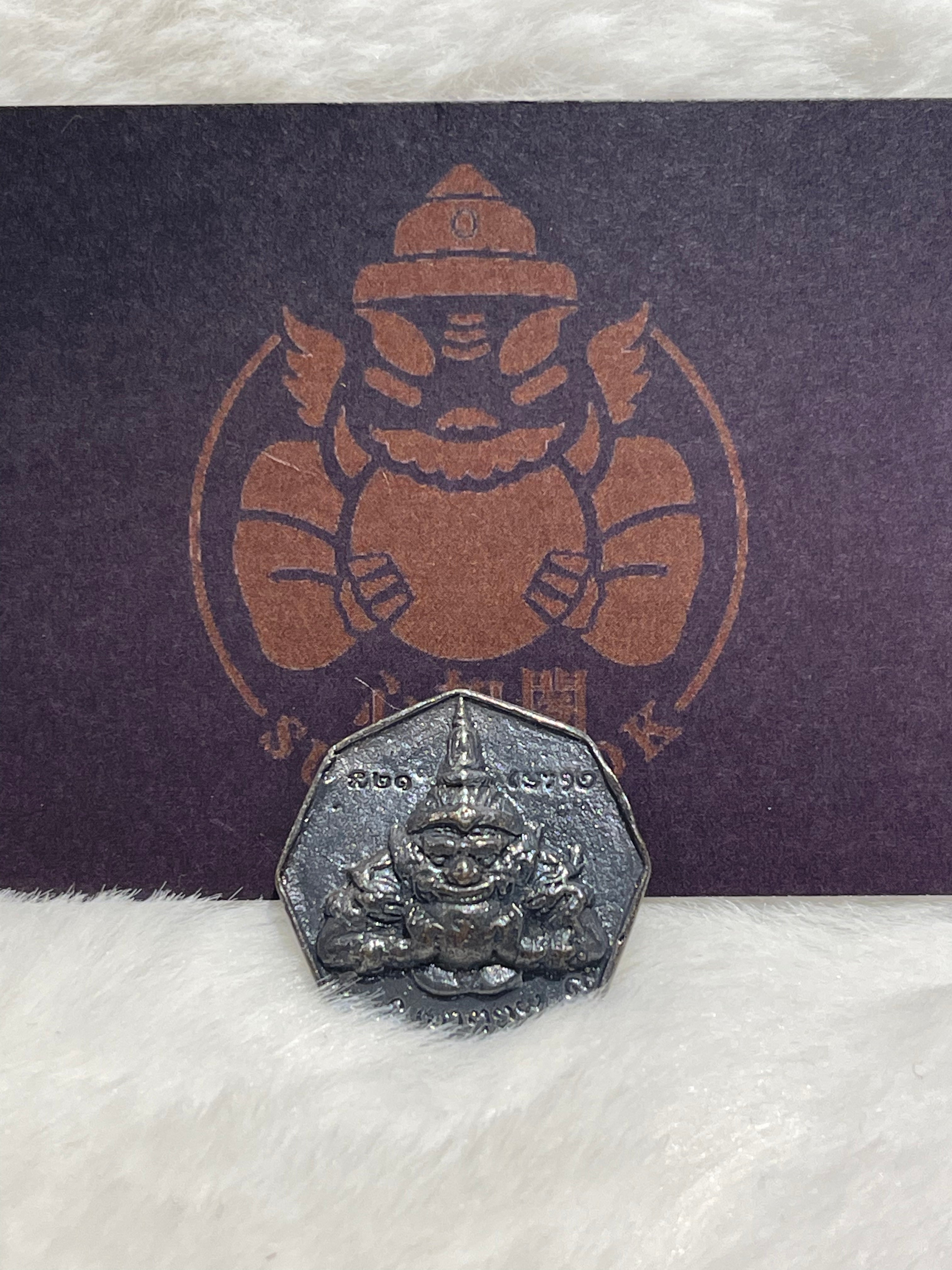
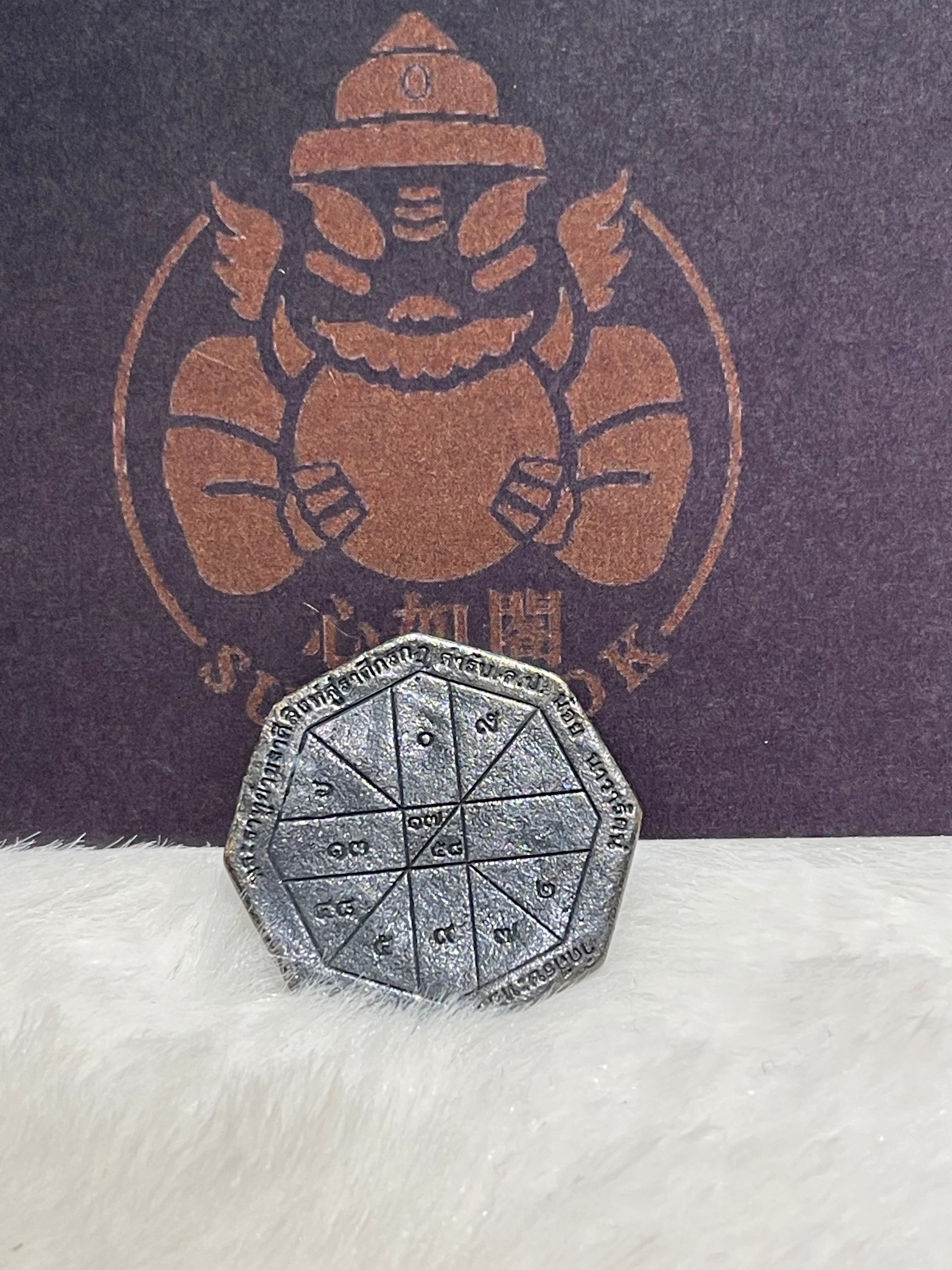
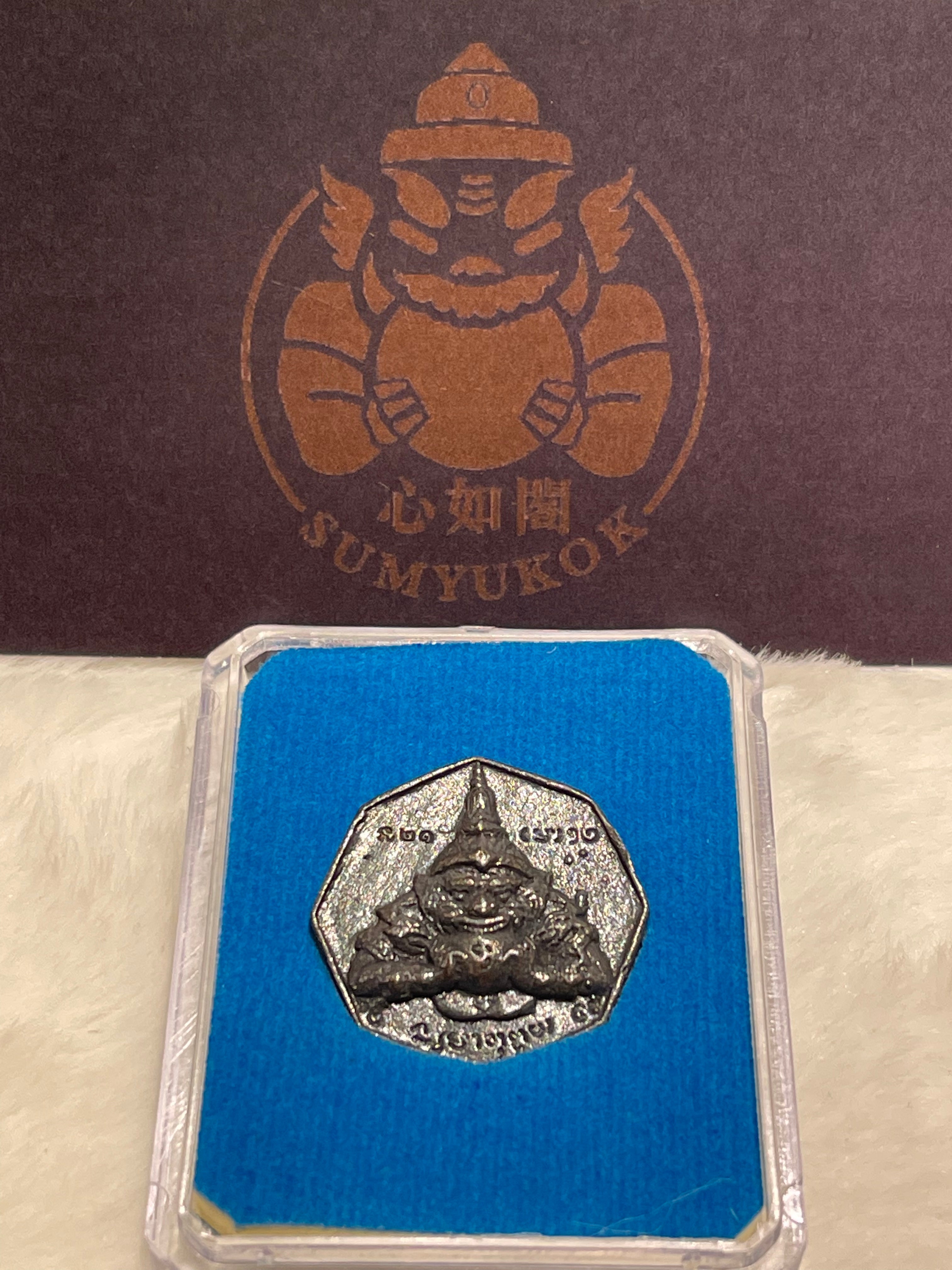
【Material】Copper, with a waterproof casing
【size】
Without a case, it is approximately 2.4 cm high and 2.3 cm wide.
The shimmering silver waterproof case is approximately 4 cm high, 3 cm wide, and 1.3 cm thick.
[Funding] 480-730
[Material of the Relic] Copper
[Efficacy of Sacred Objects]
It is known as the "nemesis of bad luck" because it can restrain petty people, block troubles, remove bad luck, turn bad luck into good luck, break through the obstacles of the year, and increase one's fortune.
This sacred object was cast from sacred bronze collected by the Rahu temple and kept in the temple for two months before being released.
✨Rahu is a household name in Thailand, and the Rahu temple is always bustling with worshippers.🙏🏻❣️
Everyone experiences ups and downs in fortune. Good luck brings the support of benefactors, while bad luck brings encounters with malicious people who not only cannot be befriended but also require various methods to suppress them and prevent their mischief. The Thai way to ward off such people is by worshipping or wearing amulets of Rahu. Thais believe that worshipping or wearing Rahu amulets can not only subdue malicious people but also turn bad luck into good fortune !
[Introduction to Lahu Temple]
Wat Sri Sa Thong , the largest Rahu temple in Thailand, is located in Nakhon Pathom Province. Many devotees from all over the country and the local area visit the temple to worship Rahu. The temple is famous because of its former abbot, Luang Phor Noh, whose Rahu magic is very efficacious. Many famous masters have studied Rahu magic at the temple, such as the current Ajarn Lek Kwang and Luang Phor Jew, who is famous for his bee amulets.
[Introduction to Lahu]
In Thailand, people who are considered to be in conflict with the Tai Sui (Grand Duke Jupiter) often wear Rahu amulets or enshrine them at home to mitigate the negative effects of the year.
Offering sacrifices to Rahu is believed to help improve one's luck, ward off negative influences, and protect the home from evil spirits.
According to legend, Rahu was originally a very upright and great god. However, one day, the sun god and the moon god complained to Vishnu that Rahu had violated the heavenly rules. In a fit of anger, Vishnu cut Rahu in two, which is why we always see Rahu with only his upper body. But later investigation revealed that Rahu had been framed. Rahu was furious when he learned of this, so he swallowed the sun god and the moon god. Because of this legend, Rahu is said to hate villains and can help ward them off. Whenever people are down on their luck or troubled by villains, believers will ask Rahu for help, praying that the villains will be driven away and that everything will go smoothly.